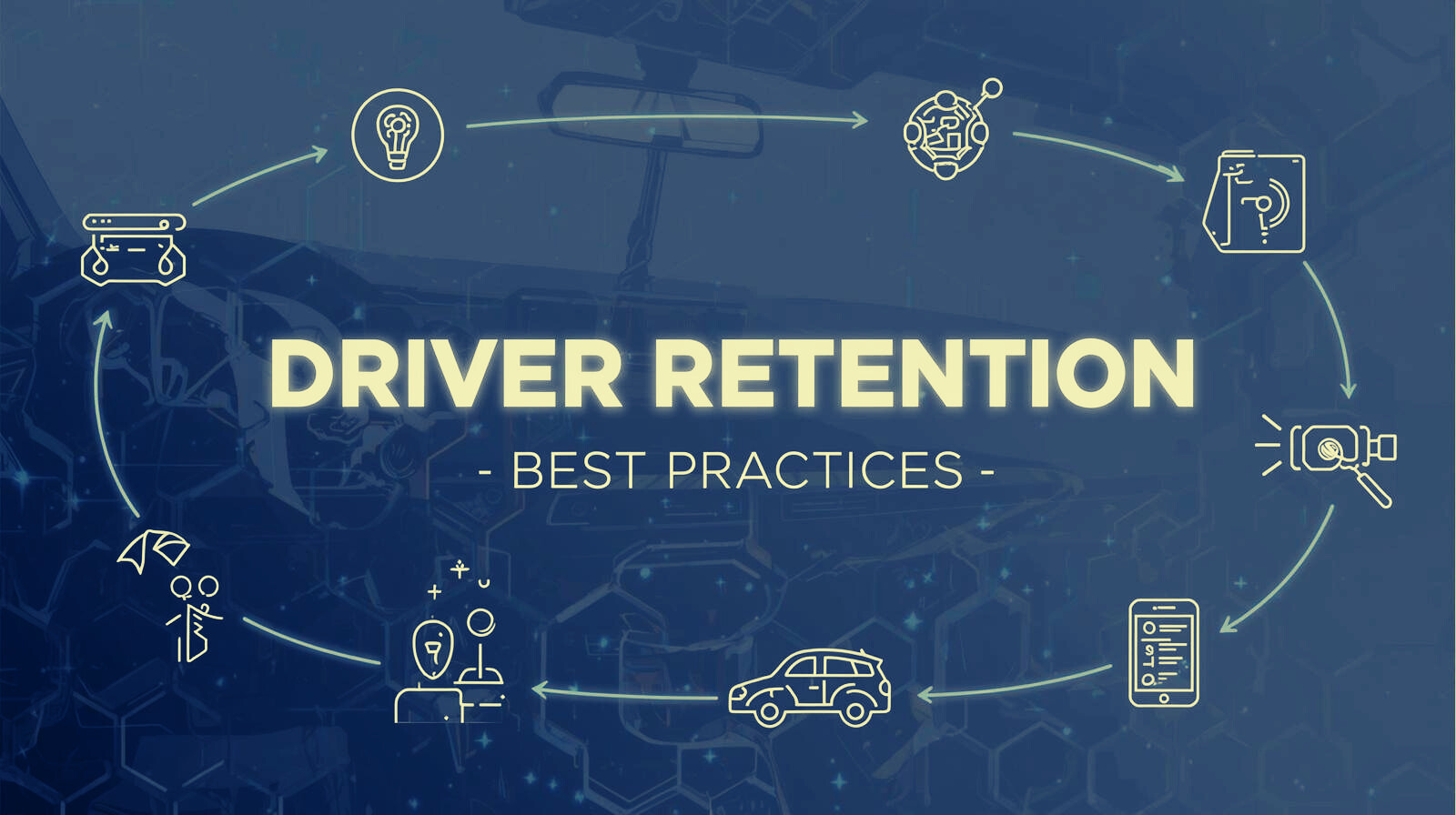
Driver Retention: Best Practices
Learn effective strategies to improve driver satisfaction and reduce turnover rates in your fleet.
Recruiting and retaining truck drivers is a major challenge for transportation companies. The shortage of qualified drivers and high turnover result in additional costs, delays, and lower customer satisfaction. To ensure stability and fleet performance, it is essential to adopt effective driver retention strategies.
Offer Attractive Working Conditions
Drivers look for working conditions that value their role and reduce stress:
- Flexible schedules and predictable planning.
- Competitive pay, performance bonuses, and loyalty incentives.
- Comfortable and well-maintained vehicles to reduce fatigue.
Benefit: satisfied drivers are less likely to leave the company.
Training and Professional Development
Investing in skill development boosts motivation and loyalty:
- Regular training on safety, fuel-efficient driving, and operational best practices.
- Opportunities for career advancement to supervisory or trainer roles.
- Certifications and formal recognition of skills.
Communication and Recognition
Drivers need to feel heard and valued:
- Establish open communication channels (meetings, apps, messaging).
- Recognize performance and years of service.
- Encourage feedback and participation in operational decisions.
Technology to Simplify Their Work
Modern tools can improve drivers’ daily experience and reduce fatigue:
- GPS and telematics for precise tracking and optimized routes.
- Mobile apps for administrative tasks, digital signatures, and scheduling.
- Alerts and notifications to anticipate mechanical or regulatory issues.
Benefit: less stress, improved safety, and higher job satisfaction.
Well-being and Safety
Driver safety and well-being are essential for retention:
- Health and wellness programs (e.g., regular breaks, fatigue monitoring).
- Appropriate insurance and social protections.
- Strict safety policies to protect drivers and vehicles.
Conclusion
Driver retention is not limited to compensation. Transportation companies must combine attractive working conditions, training, recognition, and technology to create a motivating and sustainable environment. A stable and engaged fleet contributes to overall performance, safety, and company profitability.